


Founded in Milan in 2015 by Kaori Shiina and Riccardo Nardi, Hands on Design is committed to creating artisanal objects dedicated to lovers of fundamental values of dignity and beauty. With their design, they create products that distance themselves from the commercial, chaotic, and consumeristic world, reflecting on a slower and more sustainable lifestyle. Recently, they have moved to Val d’Orcia to seek authentic craftsmanship, the calm and purity of a rural world, and balance: in other words, the heart of their production.
What is the fundamental element in each of your projects?
Both of us are somewhat old-fashioned designers, which is why we try to avoid excesses and stylistic exaggerations in our projects, and this is the heart of our design. We want to design functional objects that respond to the requests and needs of the client, products that, while being innovative, do not veer into eclecticism. A difference from our individual personal projects, prior to our meeting, which were more oriented towards pure product design and industrial design, compared to now that we work together.
Even in the most recent works, however, we do not deviate from this approach and resort to increasingly artisanal processes and non-synthetic materials, always seeking a balanced, harmonious result, and outside the stylistic trends of the moment. The goal remains an elegant “timeless” design.
Mikazuki set, design by Shinya Kobayashi, produced by Banshu Hamono.

Why is traditional craftsmanship, far from more commercial aspects, so important in your design?
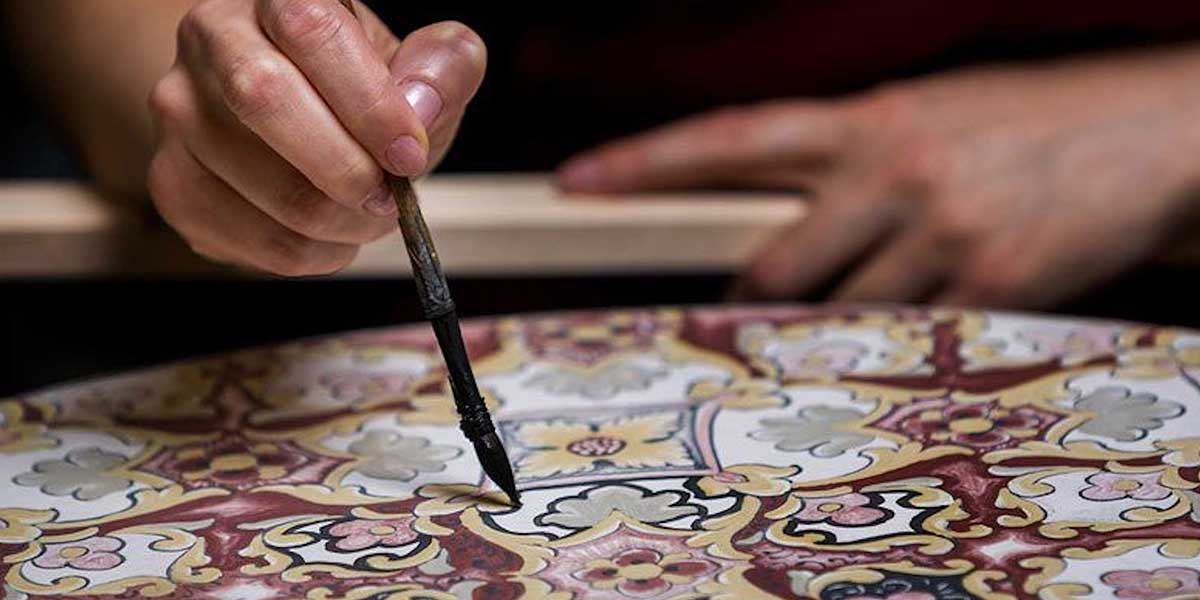
It is with the foundation of the Hands on Design brand that our path became more coherent and in line with the world of high craftsmanship, which we want to address. At the core of our creativity are slow processes, pure materials, and handcrafted work, without too much technological invasiveness. We could say that, like for good food, we want to create products “without additives or chemical preservatives.”
For us, the value of an object comes from a design in harmony with the incredible artistic and manual skills of our artisans; in fact, our briefings always reach full agreement among all those involved in production, and this is evident in the results. Of course, it doesn’t mean staying out of major commercial flows, although for us the normal laws of marketing do not apply.
Our products have a very specific target: people who love the beauty of simplicity, with a certain habit and willingness to make thoughtful purchases, not rushed or superficial. They are objects that no one will ever throw away and that will survive many moves, for generations. Or at least, we hope so.
Harley, Design by Shiina+Nardi Design, sake bottle.

What is your new Tuscan experience like, and why did you decide on this change?
Our design journey began in the 1980s in urban and industrial environments, among factories, fairs, and showrooms, until, for the 2013 Fuorisalone, we organized an event where six Japanese female designers collaborated with as many Italian artisans, and we understood that “that” would be our future direction.
This path has led us through fields and hills, villages and historic towns – also and especially in Japan – in search of special and rare artisanal processes. In 2015, founding our brand, we definitively followed that new direction. Most of the artisans live and work in historical or rural contexts, in contact with nature, good food, art, and history, in Italy as in Japan: for this reason, staying in a lively, noisy, and fashionable city like Milan had become dissonant.
So we decided to permanently move to Tuscany, a land rich in all the elements of the good life we mentioned earlier. Val d’Orcia and its surroundings are a fertile microcosm where everything can still develop: nature is beautiful, historic villages abound and are intact, the air is pure and fragrant with woods, wood-burning chimneys, and there are also noble and ancient artisanal traditions.
Dervish, design by Kanz Architetti, produced by Erre Soffieria.

Speaking of design, what do you think is the most important, central, and indispensable element in a house?
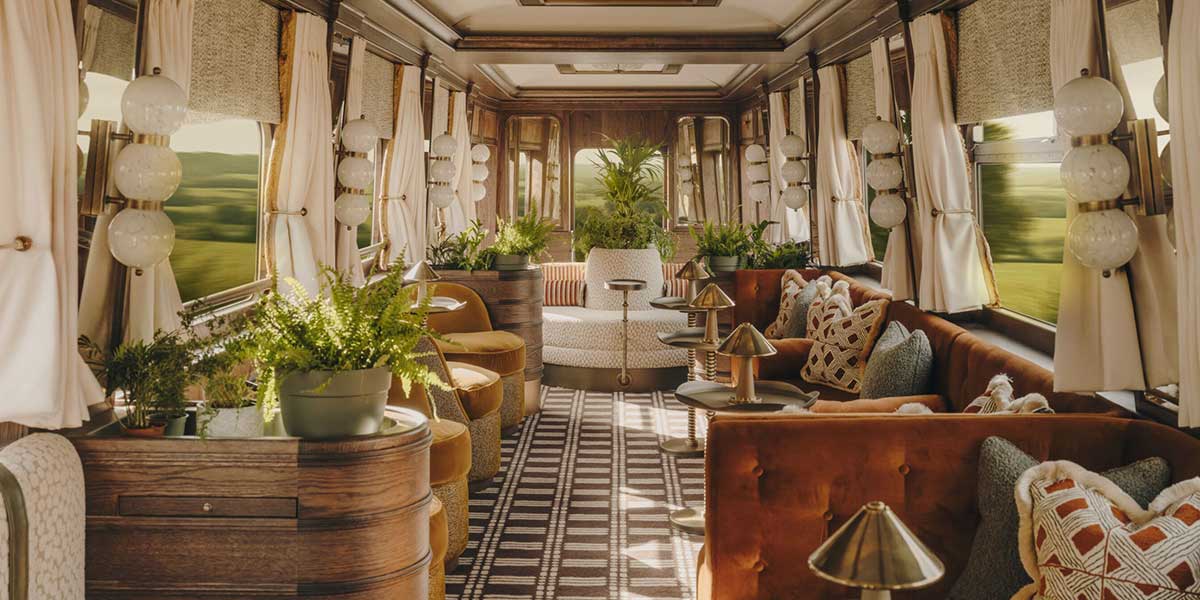
According to us, a house should express the personality of those who live in it, be connected to nature, and be in harmony with it. The basic elements must all be present, in a simple and accessible way: air, water, fire, and matter, both in the environments and in the furnishings and objects. Excluding technological elements, now indispensable, all furniture, lights, and manual tools must be durable and made of non-sophisticated materials.
Above all, in our opinion, it is light, natural and not, that creates the true soul of a home, which should always be bright throughout all seasons. It is generally considered secondary; however, good and versatile lighting, both during the day and at night, truly defines the environment: everything, if we do not see it in the right light, loses much of its value..
Kaori Shiina and Riccardo Nardi.

On the cover, Bouquet, design by Shiina+Nardi Design, produced by Ercole Moretti.