


by Federica Capoduri.
Author of “disobedient objects,” as his solo exhibition at the Milan Triennale was titled in 2009, Giulio has been working in industrial design since 1992.
Born in Cremona (Castelleone – October 20, 1966) and living in Milan, he collaborates with numerous companies in the sector – even acting as artistic director for some – distinguishing himself through his ongoing research and development of new object typologies. It's no coincidence that he, along with his colleague Matteo Ragni , has won two Compasso d'Oro awards: for the "Moscardino" cutlery set and for the "Sfera" series manhole covers.
Moscardino, a biodegradable multipurpose cutlery set, winner of the Compasso d'Oro Award in 2001, designed with Matteo Ragni for Pandora Design (on the right, it is held by a certain Achille Castiglioni!)

Manhole covers from the “Sfera” series, awarded the Compasso d'Oro prize in 2014, designed with Matteo Ragni for the Montini foundry

Given the number of interesting projects Giulio skillfully produces, we've chosen not to single out any in particular, but we recommend checking them all out, one by one, on his website.
Giulio, in Italy we often talk about the "Middle Generation" to refer to all those designers who, like you, fall somewhere between the Masters and the Young. If you had to label yourself, how would you describe your style, approach, and culture?
I feel a connection and identify with the work of Marco Ferreri, Riccardo Blumer, Denis Santachiara, and Paolo Ulian, but I also enjoy interacting with designers and friends like Matteo Ragni, Odo Fioravanti, and Lorenzo Palmeri. My legendary masters are Enzo Mari, Aldo Rossi, and Ettore Sottsass.
It's hard to define myself, but I like to think my work moves between apparent opposites like industrial design and craftsmanship, between mass production and one-off pieces, between Italianness and the world. I'm like a pinball machine, bouncing from one thing to another, tracing unpredictable trajectories.
Caffa, a steel thermal carafe with a vacuum-sealed cavity that maintains the temperature, designed for Alessi

Matua, salad bowl (but also centerpiece and pocket emptier) for Danese Milano, photo Francesca Ferrari

Designing implies social responsibility for your objects; for how they are assimilated by people. This also requires a great deal of willpower to let them go, what do you think?
I don't have this kind of affection. I take an interest in (my) things while I'm cooking them, but once they're served, they no longer belong to me and somehow I forget them.
Affi, a solid wood stool assembled with interlocking joints. The detail of the seat and legs is highlighted by the different wood tones. For Internoitaliano, photo by Gaia Anselmi Tamburini

Affi stool, detail of the joints, photo Max Rommel

Today, designers must know how to communicate, be technically savvy, juggle manual and digital media, conduct public relations with clients and seek new ones, and follow trade shows, travel, and social media. It's not easy. Yet, it can be done. What's the strategy?
Someone once wrote that "everything is a project," and I personally share this universal vision. Taking care of every expression of yours, be it a project, a text, an image, or a post, is a wonderful freedom and, at the same time, a great responsibility.
Pinocchio, a Murano blown glass vase for Internoitaliano, photo by Gaia Anselmi Tamburini

Has the pandemic changed the way you work?
It hasn't changed, the truth is that I can't come up with anything original and interesting (for me) about what we are experiencing.
Lingotto, an invisible faucet (its function isn't immediately recognizable), has a striking sculptural impact. An extendable showerhead is integrated into the upper section, while the controls for adjusting the temperature and water flow are activated by touching specific points on the metal body. For Alessi by Hansa, photo by Pierluigi Anselmi

What's your "big project," the one that's often buzzing around in your head but you haven't had the chance—or the courage—to do yet?
My father worked at Olivetti. Divisumme, Lettera 32, and other legendary objects from the Ivrea-based company passed through my house. As a child, I obviously knew nothing about design, but those shapes stayed with me. I'd love to one day design something for Olivetti, for that beautiful, authentically Italian brand, so deeply rooted in my DNA.
Aileron, sitting for Alf Da Frè

Enzo Mari said that "determination, combined with that hint of madness, is so useful to a designer." Do you agree? And what else will design need in 2021 and beyond?
Determined and crazy: here's another oxymoron. Yes, I recognize myself in this description. I'd add that in the days to come, we'll need enchantment and disenchantment, feet firmly planted on the ground and thoughts flying…
Beleos, a table for Bross whose structure is composed of a metal "beam", made from two profiles arranged in parallel and joined by cylindrical spacers, and by solid wood legs, tapered and inclined for a highly refined effect.


Finally, your motto?
I like to think that designing is an attitude towards synthesis.
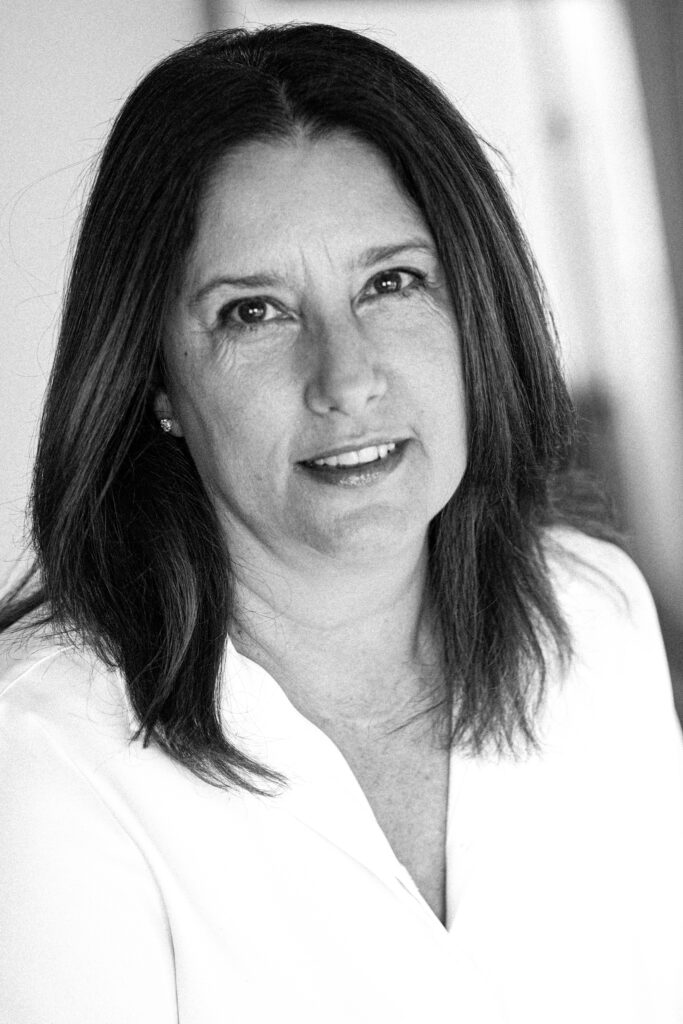
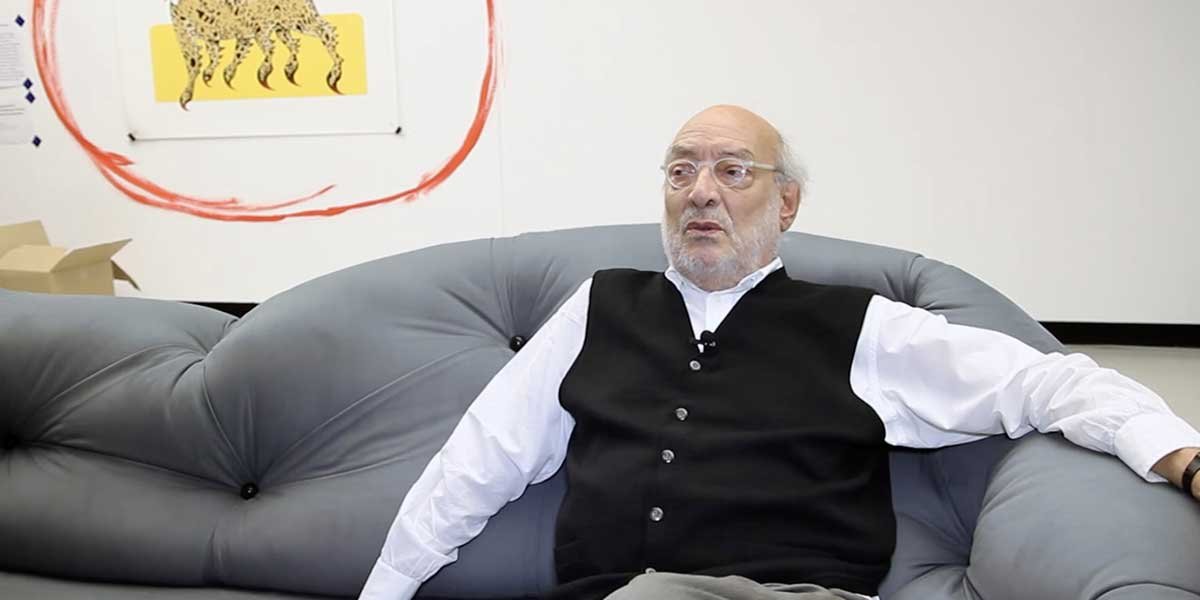
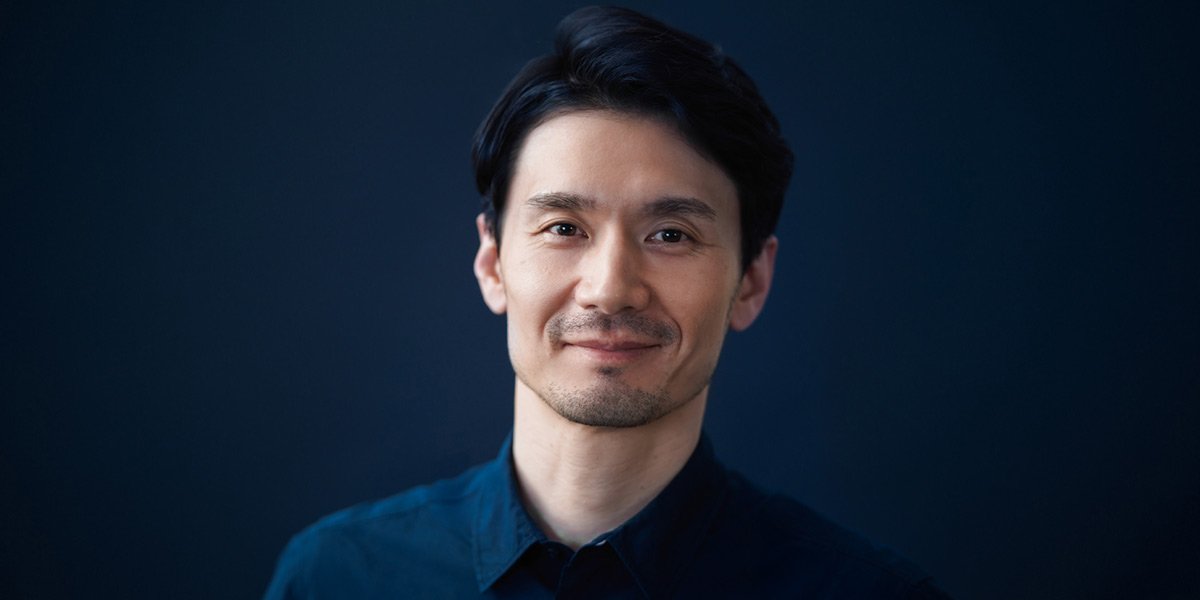
In the cover image, portrait of Giulio Iacchetti, photo Fabrizia Parisi